


Being arrested for DUI can turn your life upside down. Maybe you were pulled over after dinner with friends on Kingston Pike. Or you were stopped at a checkpoint leaving Neyland Drive late at night. Now you’re wondering:
Will I lose my license? Will I go to jail? How will this affect my family or my career? What happens now, and who can I talk to? Who will stand up for me?
Attorney Justin Bell has been in your shoes. Years ago, he was wrongfully charged with a DUI, and that experience drives how he defends clients today. He understands the fear, the uncertainty, and the urgency. And he knows how to fight back.
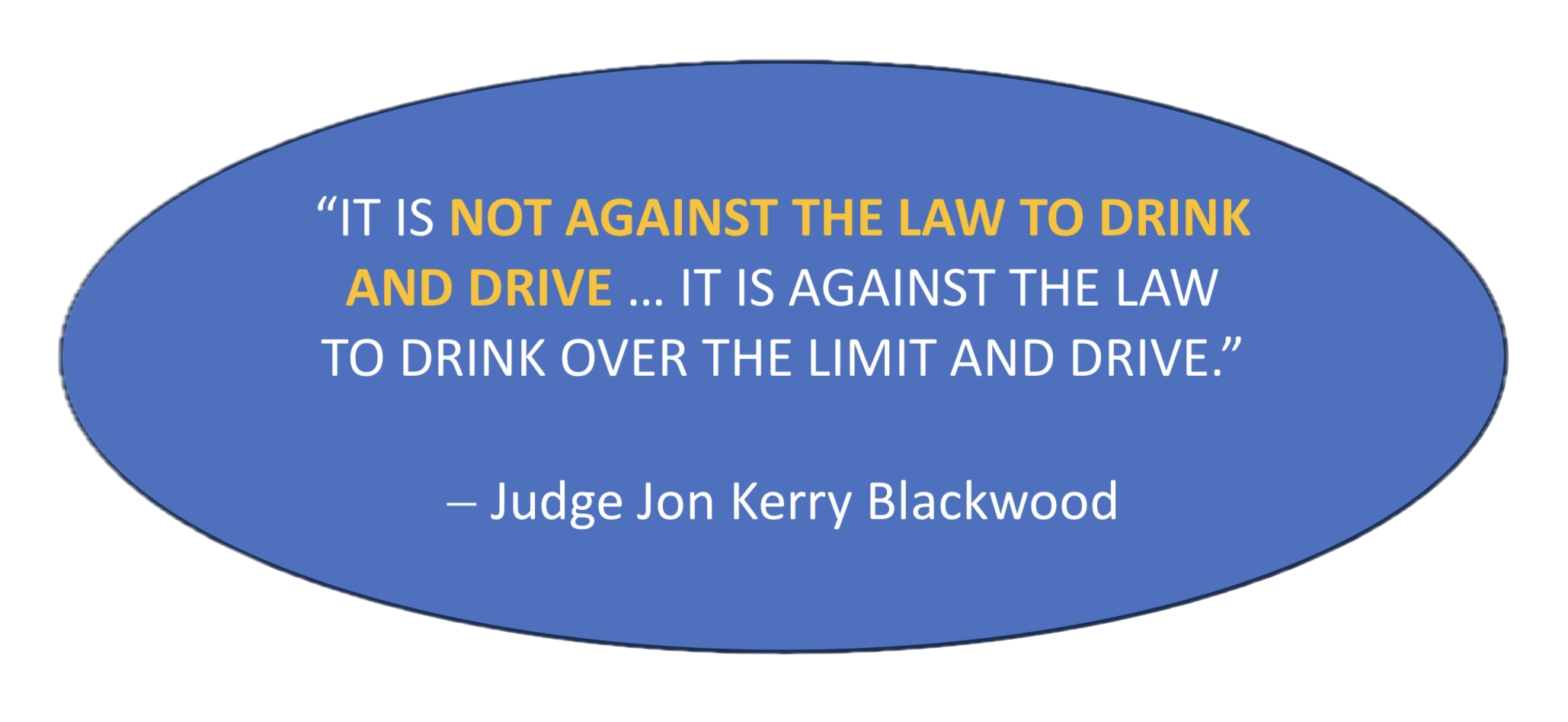
In Tennessee, you can be arrested for DUI if your blood alcohol concentration (BAC) is 0.08% or higher. But you can also be charged if officers claim you were impaired—even if your BAC was below the limit. Here’s what you may be facing if charged in Knoxville or surrounding counties:

Up to 11 months and 29 days in jail, fines between $350 and $1,500, mandatory license suspension for one year, and required DUI education classes.
Increased jail time, fines, two-year license revocation, and mandatory ignition interlock.
Third DUI convictions are still treated as a misdemeanor offense in Tennessee, though the penalties increase significantly. You could face longer jail time, steeper fines, extended license revocation, and mandatory drug and alcohol treatment.
A fourth DUI conviction within the state’s look-back period is classified as a felony. A felony DUI can lead to longer prison sentences, much higher fines, lengthy license revocation, mandatory ignition interlock, and possible vehicle seizure.
A DUI offense (first, second, or third) can be elevated to a felony if the driving causes serious injury, death, or child endangerment. These cases may result in felony charges separate from the simple repeat-offense felony rule.
DUI charges reach far beyond the courtroom. Imagine losing your driver’s license when you rely on it to get to work in Oak Ridge or Maryville. Without a license, your job could be at risk. Your insurance rates skyrocket. Professional licenses can be suspended. Some employers won’t hire or keep employees with DUI convictions on their record.
And the personal toll? It’s heavy. A conviction follows you into job interviews, rental applications, and background checks. It can strain family relationships and damage your reputation in the community.


Some people think they can explain their way out of a DUI. Others put their future in the hands of an overworked public defender. Both are risky.
DUI cases are highly technical. They involve police procedures, chemical tests, field sobriety standards, and constitutional rights. Representing yourself means stepping into a system stacked against you with no roadmap. Public defenders may care deeply, but they juggle hundreds of cases at once. That means less time for yours.
This isn’t the kind of case you should take chances on.
Justin Bell brings a unique combination of personal experience, legal skill, and advanced training to DUI defense. He’s completed the Advanced Roadside Impaired Driving Enforcement (ARIDE) training course—a program designed to teach officers how to spot impairment. Few officers complete this training, but Justin has. That means he knows exactly what officers are supposed to do during a stop and when they’ve cut corners.
Here’s how he builds your defense:
This detailed, relentless approach comes from his own frustration years ago when a lawyer didn’t fight for him. He refuses to let clients go through that same experience.
Justin Bell isn’t a lawyer who sits behind a desk and pushes papers. He’s a part of East Tennessee. His family has lived here for generations, dating back to the original settlers of Cades Cove in the Smoky Mountains. He’s proud of those roots, and he brings that pride into every courtroom he steps into.
Being wrongfully accused himself gave him perspective few attorneys have. He knows what it feels like to be treated like a criminal before your side of the story is heard. That’s why he fights passionately for every client—whether it’s a student in Knoxville, a worker in Clinton, or a tourist caught up in charges in Pigeon Forge.
Yes. In Tennessee, a DUI charge is not limited to cases where someone tests at 0.08% or higher. You can also be charged if an officer claims alcohol, drugs, or a combination of substances affected your ability to drive safely. That matters in cases involving stops on Kingston Pike, I-40, Neyland Drive, or anywhere in Knox County. The officer’s observations, body camera footage, field sobriety tests, and testing procedures all matter. A Knoxville DUI Defense Attorney can review whether the evidence actually supports the charge.
Tennessee has an implied consent law, which means drivers are generally considered to have agreed to chemical testing when lawfully requested during a DUI investigation. Refusing a breath or blood test can create a separate license issue, even while the DUI case itself is still pending. That does not mean the case is hopeless. The stop, the officer’s request, the warning given, and the facts surrounding the refusal should all be reviewed. If you refused testing in Knoxville, Anderson County, or a nearby court, call a lawyer quickly.
You may be able to seek a restricted license, depending on your record, the facts of the case, and whether you meet Tennessee’s requirements. A restricted license can help you drive for approved purposes, such as work, school, court, treatment, or other allowed needs. In many DUI cases, ignition interlock may also be required. For someone who lives in Maryville but works in Oak Ridge, or commutes across Knox County every day, this can be one of the most urgent issues after an arrest.
It can. Tennessee law allows or requires ignition interlock in many DUI-related situations, especially when a restricted license is involved or when there is a DUI conviction. The device prevents a vehicle from starting unless the driver provides a clean breath sample. This can affect your daily routine, your privacy, and your budget. Before assuming interlock is unavoidable, it is important to have the facts reviewed, including whether the stop, arrest, and testing process were handled correctly under Tennessee law.
Yes, a first DUI offense in Tennessee is still serious. A first conviction can mean jail time, fines, license consequences, DUI school, higher insurance costs, and a permanent criminal record. It can also affect jobs that involve driving, professional licensing, or background checks. If you were arrested after a UT game, a night out in Market Square, or a stop in West Knoxville, do not assume pleading guilty is the easiest path. A lawyer may find problems with the stop, testing, field sobriety instructions, or probable cause.
Yes. A DUI can create problems for people who drive for work, hold a CDL, work in healthcare, carry a professional license, have a security clearance, or need a clean background for employment. The charge alone can raise questions, and a conviction can create longer-term damage. This is especially important for people working in Knoxville, Oak Ridge, Clinton, Maryville, or other East Tennessee communities where reputation matters. A defense should look beyond court penalties and focus on protecting your job, license, record, and future opportunities.
A Tennessee DUI charge does not go away just because you live somewhere else. Tourists arrested in Sevier County, Pigeon Forge, Gatlinburg, Knoxville, or along the interstate still have to deal with Tennessee courts. The case can also create license problems in your home state. Before you leave town, talk to a Tennessee DUI Defense Attorney. A lawyer can explain the court process, what appearances may be required, and how to start building a defense from the beginning.
Yes, but those tests can be challenged. Field sobriety tests are supposed to be given in a specific way, and the conditions matter. Uneven pavement, poor lighting, traffic noise, medical issues, footwear, nervousness, and unclear instructions can all affect performance. A stop on Chapman Highway, Alcoa Highway, or a busy Knoxville road is not a controlled testing environment. Attorney Justin Bell’s ARIDE training helps him review whether officers followed the proper steps and whether the results are reliable enough to be used against you.
Call as soon as you can. The earlier a lawyer gets involved, the faster they can start looking for problems in the stop, the arrest, and the evidence. At The Bell Law Firm, you speak directly with Attorney Justin Bell. If you were arrested in Knoxville, Anderson County, Sevier County, Loudon County, or a surrounding East Tennessee court, do not wait until the court date to get help.
Your defense starts today. The sooner you call, the stronger your case can be. Don’t wait until it’s too late to protect your license, your job, and your freedom.
At The Bell Law Firm, you’ll speak directly with Attorney Justin Bell. You’ll get straight answers, a clear plan, and a defense built to win. Contact us today.